Christina L. Truong
Book chapter published in 2026.
In Arzadon, Mercedes E., Antonio D. Igcalinos, and Thomas E. Payne (eds). 2026. Philippine languages and education reform: Papers in honor of Ricardo Ma Duran Nolasco, 411–453. Sorsogon City: Sorsogon State University Press.
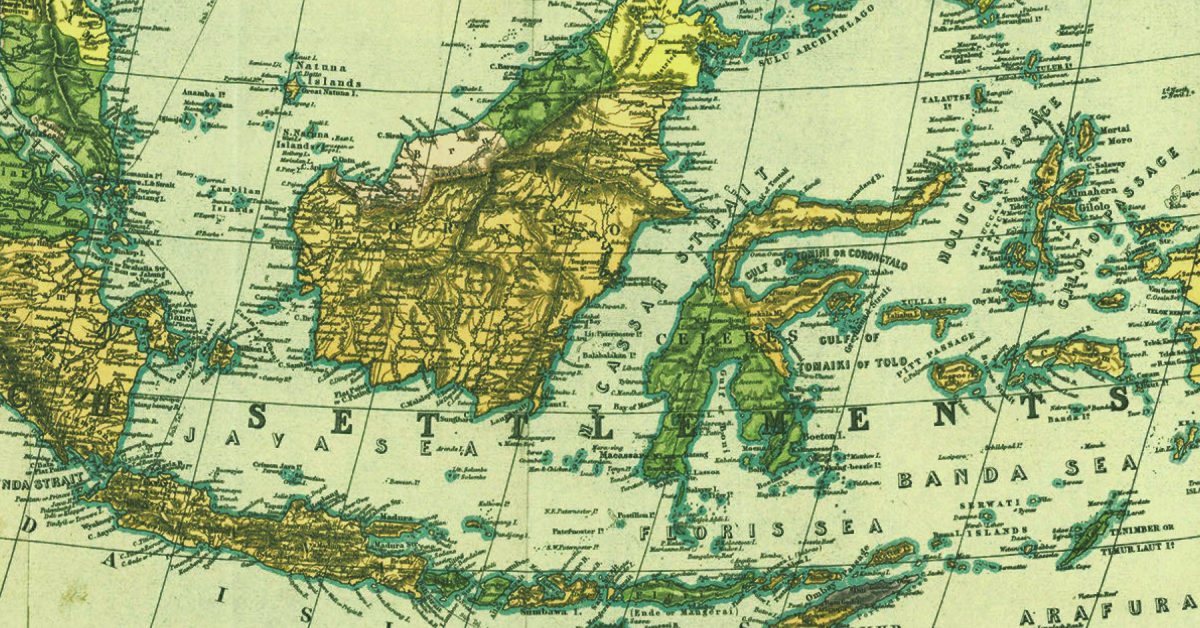
The Sama-Bajaw (S-B) subgroup consists of nine languages, geographically centered on the Sulu archipelago in the southwestern Philippines but also spoken in coastal communities spanning Malaysia and western Indonesia. This paper is a comparative analysis of the decline of Philippine-type voice in S-B, and the rise of applicatives separate from symmetrical voice morphology. In particular it concerns what are referred to as peripheral non-actor voices—benefactive voice (BV), locative voice (LV), and instrumental voice (IV) constructions—that have been replaced with an ‘Indonesian type’ of applicative construction showing functional and formal differences. This historical change is notable because it represents, on a small scale, a kind of transition that must have occurred numerous times in west-
ern Austronesian languages outside of Taiwan and the Philippines.